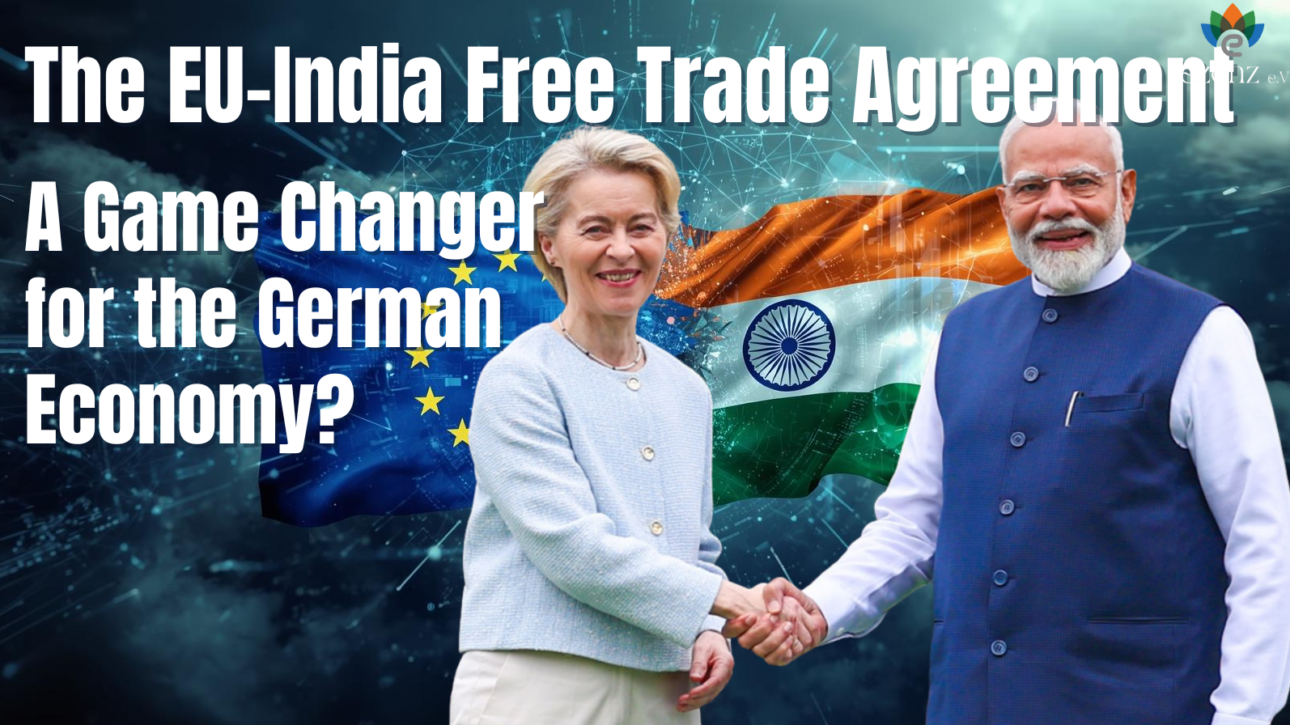
In January 2026, after nearly two decades of negotiations, the EU and India signed a landmark Free Trade Agreement (FTA), dubbed the “mother of all deals”. The pact opens vast markets of nearly 2 billion consumers, liberalising trade in goods and services, creating regulatory cooperation frameworks, and facilitating mobility — with projections to double EU…
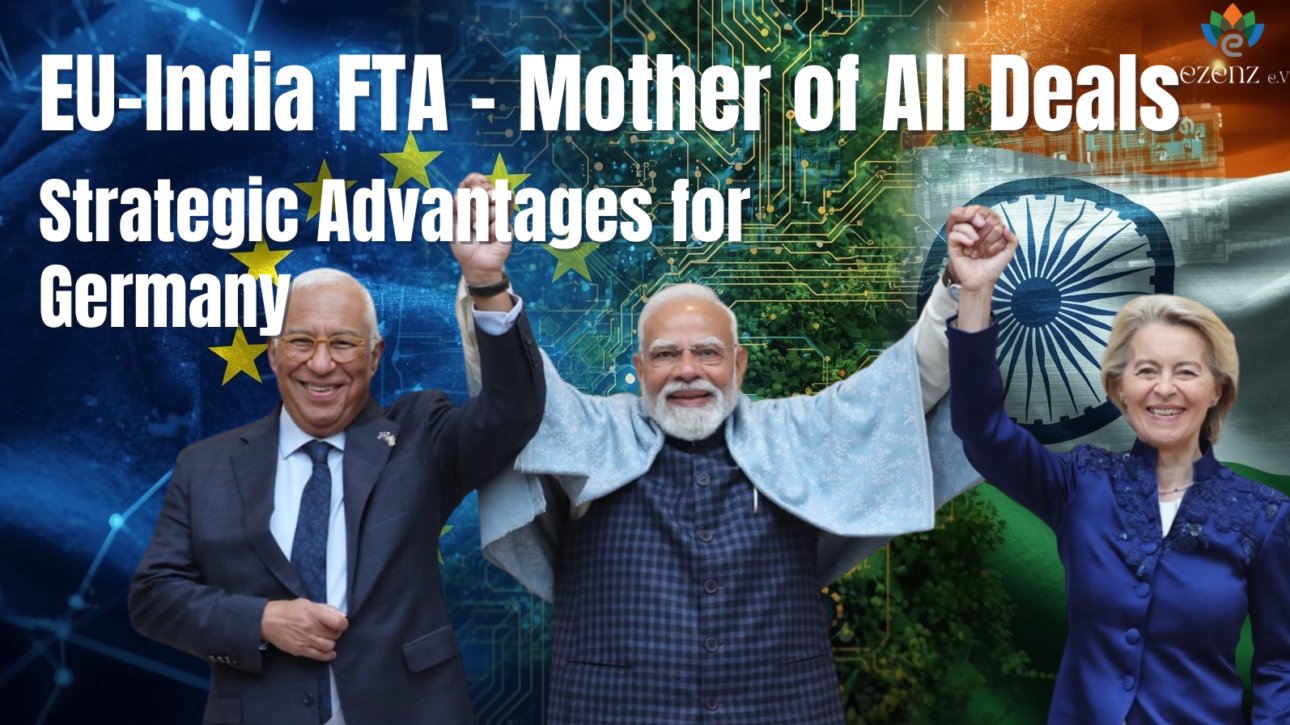
The EU–India FTA, backed by strong advocacy from Ursula von der Leyen, Kaja Kallas, and Friedrich Merz, offers Germany an unprecedented economic and strategic inflection point. By opening access to India’s vast and dynamic market, Germany can advance its industrial exports, services leadership, and green technology ambitions.
Crucially, the alignment with a Security & Defence…
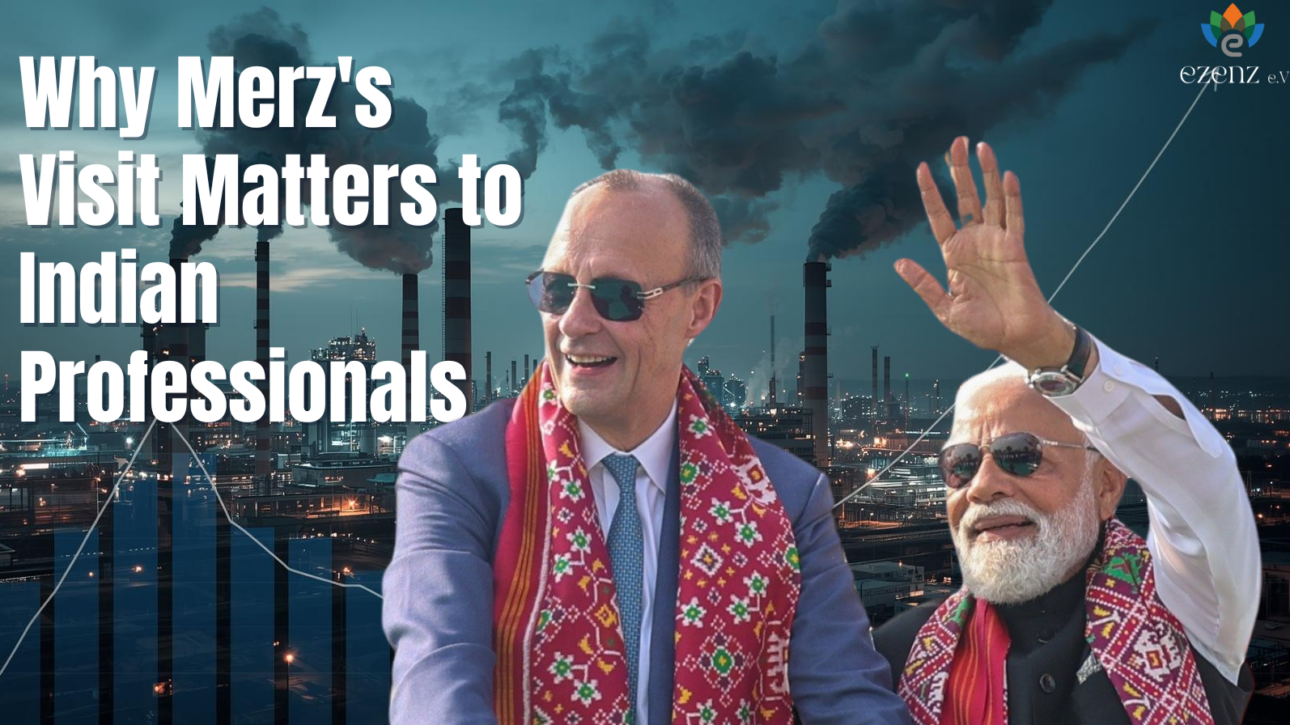
German Chancellor Friedrich Merz’s official visit to India — his first to Asia after taking office — underscores a strategic recalibration in Germany’s foreign and economic policy. With global power shifts, protectionist tendencies in major economies, and geopolitical uncertainties, Germany appears intent on deepening ties with India — one of the world’s fastest-growing large economies.…
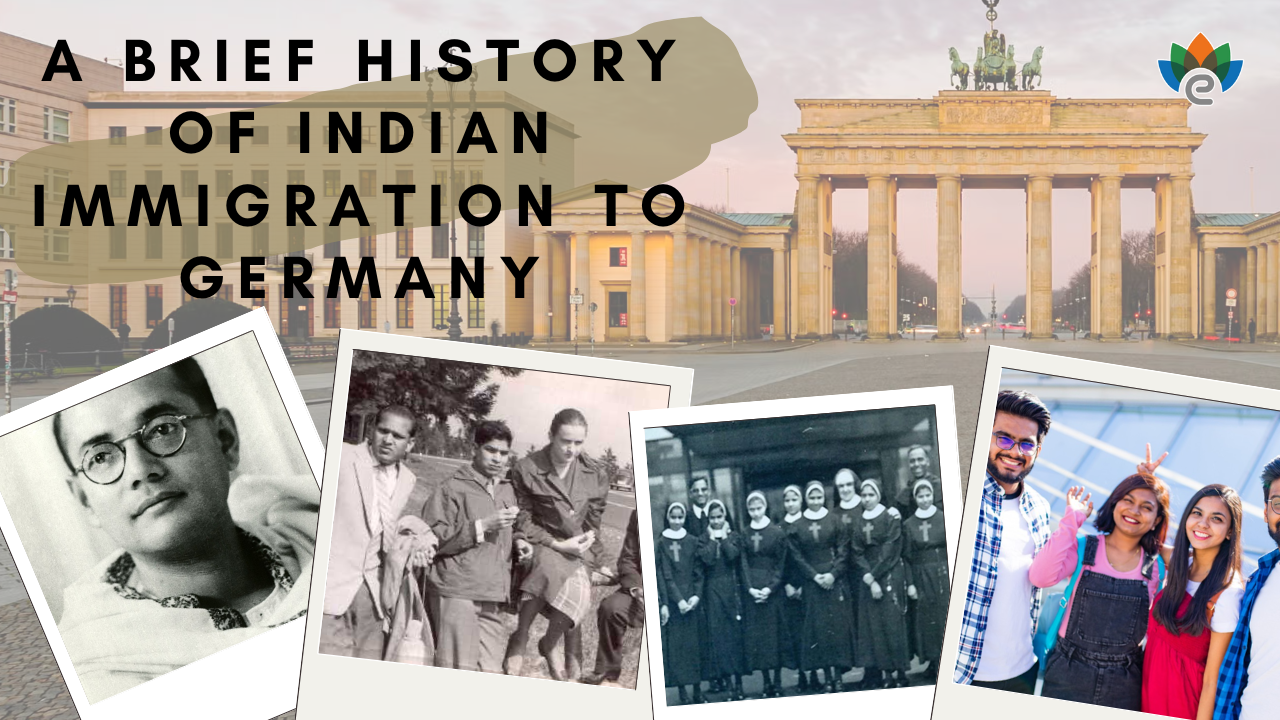
Indian migration to Germany has evolved over more than a century from early intellectual and political exchanges to a modern phenomenon driven by education, skilled labor needs, and strategic economic policies. This study examines the timeline of Indian immigration, highlighting major waves—from the early 20th century when Indian nationalists and students first arrived, through the…
In a globalized economy, Germany remains a prime destination for highly skilled professionals—including many from India. As the 2025 federal election approaches, the manifestos of Germany’s major political parties provide insights into future policies on migration, integration, labor market regulations, and economic strategy. These policies will play a crucial role in shaping the professional landscape…